Roof rejuvenation starts before the sprayer comes out. The first job is not to apply product. The first job is to decide whether the roof should be treated at all. A consistent qualification workflow protects the homeowner, protects the operator, and keeps the service from being used on roofs that are already past the maintenance window.
This does not need to become a 42-page ritual with clipboards everywhere. It does need to be repeatable. If the process changes depending on who shows up or how rushed the day feels, the business will eventually get inconsistent results. A simple workflow people actually follow is better than a complicated one that lives in a binder.
Confirm The Roof Type
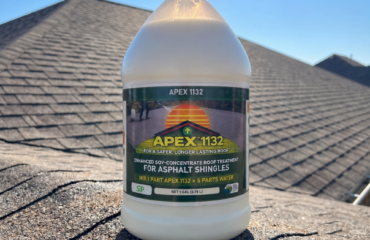
Start with the basics. APEX 1132 is designed for asphalt shingles. Not metal, tile, slate, wood shake, or flat membrane systems. If the roof is not the intended roof system, stop there.
This may feel too basic to mention, but it matters. Homeowners often use roof language loosely, and photos can be misleading from odd angles. A product with a specific use case should be treated like it has one. That specificity is part of being credible.
Once roof type is confirmed, note the approximate age if the customer knows it. Age is useful, but it is not the whole decision. A younger roof can be in rough shape if it was poorly installed, poorly ventilated, or hammered by weather. An older roof can still have room for maintenance if the materials and conditions were better. Condition beats the calendar.
Separate Wear From Failure
This is the heart of qualification. A roof that is wearing down may be faded, dry, less flexible, or showing some granule loss. It may look tired. A failing roof is a different situation. Active leaks, interior water stains, missing shingles, rotten or sagging decking, major storm damage, widespread cracking, exposed mat, severe curling, and bad flashing all change the path.
Most homeowners do not know where that line is. That is why they called someone. A useful explanation is simple: “We are looking for a roof that has wear, but is still intact. If the roof is already failing, rejuvenation is not the first answer.”
When there is a repair-first issue, document it. A few damaged shingles may not kill the opportunity if they can be repaired before treatment. A bad pipe boot, loose flashing, or small isolated problem may need a roofer or qualified repair person before the job proceeds. Sequence matters: fix what needs fixing, then consider maintenance.
Look From The Ground First
Not every first look needs someone walking the roof. A ground-level inspection can tell you a lot before anyone takes on roof-access risk. Look for missing tabs, lifted edges, sagging lines, bare-looking patches, heavy debris, moss, algae, piles of granules near downspouts, or obvious storm damage. Also look at the surroundings. Tree cover, drainage patterns, gutters, roof slope, and access all affect the job.
Ask the homeowner about leaks, stains, attic moisture, recent storms, previous repairs, and replacement quotes they have received. Sometimes the customer gives you the clue before the roof does. If they say, “It only leaks when the wind comes from the west,” that is a leak investigation, not a rejuvenation lead.
If the roof is steep, wet, icy, high, fragile, or otherwise unsafe, don’t turn the estimate into a stunt. Use photos, drones if available, ladder-edge observations where appropriate, or bring in someone trained for that access. The customer is paying for judgment, not theatrics.
Document What You See
Documentation is not paperwork for its own sake. It makes the recommendation visible. Take photos before treatment. Capture general roof condition, granule loss, damaged shingles, repair-first items, access concerns, and any areas that will not be treated. If the roof passes inspection, the photos support why. If it does not, the photos make that answer easier to accept.
A simple record should include roof type, estimated roof age, visible condition, customer concerns, known leaks or repairs, disqualifiers, repair needs, weather conditions, and the recommendation. For accepted jobs, add estimated square footage, product needs, coverage assumptions, and exclusions.
This record helps with pricing, scheduling, crew instructions, customer communication, and future follow-up. Six months later, nobody wants to rely on a memory that starts with, “I think it was the house with the steep back side.” Photos and notes keep the business from getting fuzzy.
Decide And Explain
At the end of qualification, there should be a clear answer. The roof is ready for treatment, it needs repair first, it needs more inspection, or it should not be treated. Try not to leave the customer floating in vague language. “Maybe” is sometimes honest, but it should lead to a next step.
If the roof is ready, explain why in plain English: asphalt shingle, intact, no active leak concerns identified, and appropriate for maintenance. If repair comes first, explain what must happen. If the roof is out, say why. A rejected roof is not a failed sales call. It is a professional recommendation, and it may earn more trust than forcing the wrong job through.
For new operators, this is where trade relationships matter. If you are not a roofer and you identify repair-first issues, have a responsible path for the customer. That might be a roofing partner, a recommended inspection, or simply advising the customer to address the roofing issue before rejuvenation is considered.
The Practical Takeaway
Qualification is what keeps roof rejuvenation honest. It separates maintenance from repair and responsible operators from people who spray anything that sits still long enough. The process does not need to be intimidating. It needs to be consistent.
Confirm the roof type. Separate wear from failure. Look carefully. Document what matters. Explain the recommendation clearly. If the roof is right for the service, the customer can move forward with confidence. If it is not, have the discipline to say no.